

Precision glass door hardware depends on more than a good drawing. At HDSAFE, every production order is organized around stable machining, controlled finishing, inspection checkpoints and packing rules that help products arrive ready for installation.
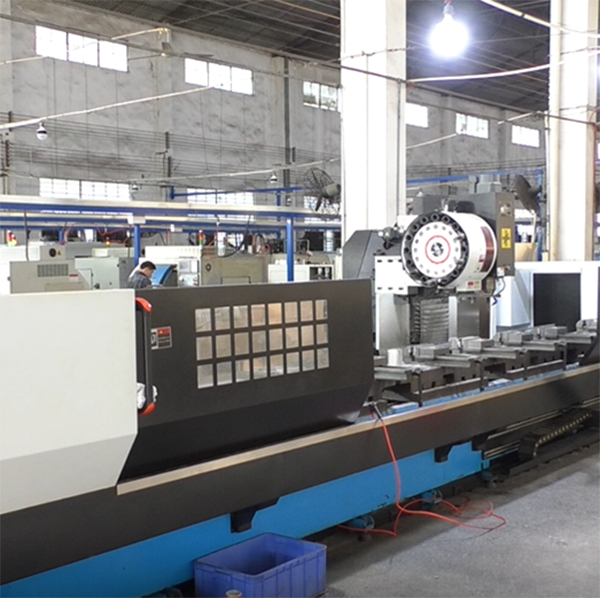
HDSAFE production equipment supports consistent processing for glass door systems and architectural hardware.
From Project Requirement to Production Plan
Before production begins, the team reviews the product type, finish, quantity, glass thickness, installation environment and delivery schedule. This step helps confirm which drawings, surface requirements and inspection standards should be followed for the order.
For OEM and ODM projects, engineers also check whether the requested dimensions, holes, slots, accessories and packaging method match the intended application. A clear production plan reduces repeated communication and keeps the workshop aligned with the customer's project needs.
CNC Processing for Stable Dimensions
Many glass door hardware components require accurate holes, grooves, edges and connection points. CNC processing helps maintain repeatable dimensions across large batches, especially for sliding door fittings, swing door hardware, railing accessories and glass connectors.
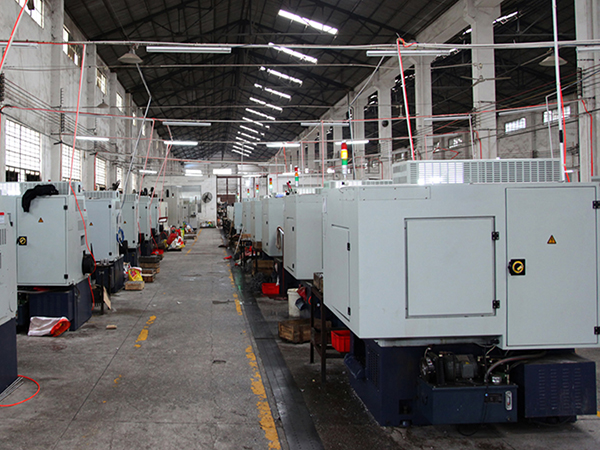
CNC machining supports dimensional consistency for bulk hardware orders.
Operators check the machining program, tool condition and first-piece result before batch processing. This makes it easier to identify issues early and maintain stable output during continuous production.
Surface Treatment and Finishing Control
Surface appearance is important for visible architectural hardware. During polishing and finishing, the workshop focuses on clean edges, consistent texture and surface uniformity. The goal is to make each component suitable for modern glass doors, commercial entrances, residential interiors and project installations.
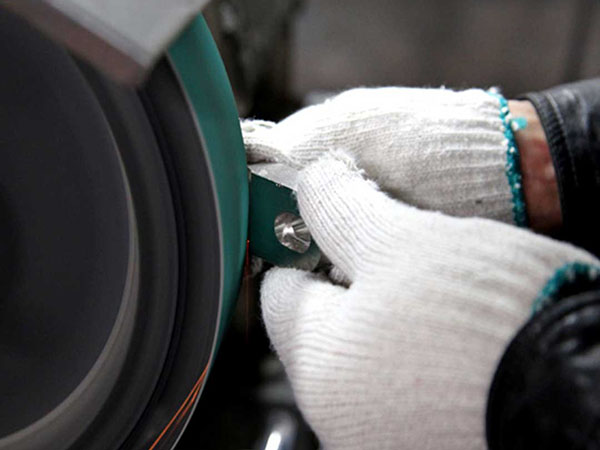
Finishing control helps hardware achieve a clean appearance and reliable touch quality.
Assembly Checks Before Packing
After parts are processed and finished, related accessories are matched according to the order list. Product teams check key components such as rollers, tracks, handles, clamps, connectors and fasteners to confirm that the set is complete before packing.
This step is especially important for door systems because a missing accessory can delay installation on site. For project orders, HDSAFE can also support item labels, package grouping and customer-specific packing requirements.
Quality Inspection at Key Stages
Quality control is carried out at multiple points rather than only at the end of production. Inspection may include dimension checks, surface review, fitting verification, quantity confirmation and packaging inspection.
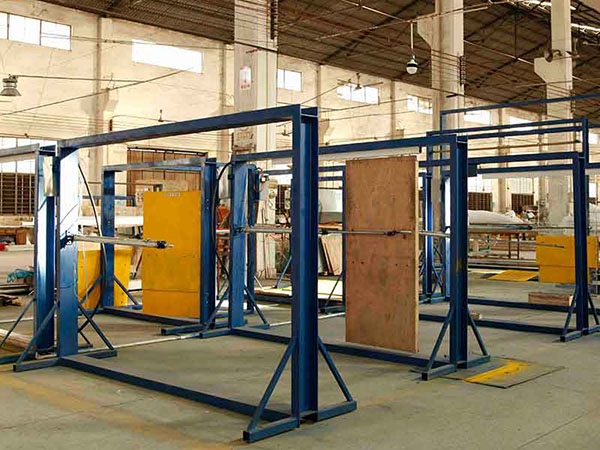
Inspection checkpoints help keep production batches consistent and ready for export.
By combining process inspection with final review, the team can reduce rework and deliver more dependable hardware for distributors, contractors and project buyers.
Warehouse Organization for Export Orders
Finished products are moved to the warehouse after inspection. The warehouse team organizes cartons, labels and loading information according to the delivery plan. Clear storage and packing records help keep mixed-product orders easier to manage.
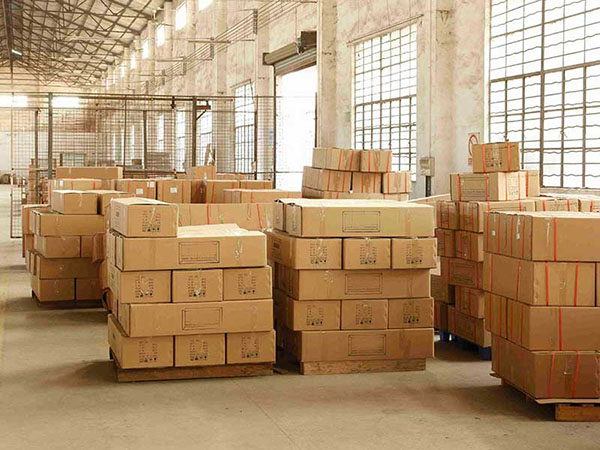
Organized warehouse handling supports safer packing and smoother export delivery.
Why Production Control Matters for Buyers
For global buyers, stable production control means fewer surprises after shipment. When drawings, machining, finishing, inspection and packing are managed as one workflow, products are easier to install, reorder and use across multiple projects.
HDSAFE continues to improve production organization so customers can source glass door systems, handrail hardware and architectural fittings with better confidence in quality, lead time and after-sales support.